About Sabitha Foundation

The Sabitha Foundation is a registered non-profit organization established in memory of Dr. D Sabitha. It was founded with a long-term commitment to strengthening early cancer detection, advancing preventive health awareness, and building structured support systems for patients and families across India.

Despite advances in medical treatment, many individuals continue to encounter cancer at advanced stages due to gaps in awareness, screening access, and coordinated care pathways. The Foundation exists to address these gaps responsibly and systematically.

The organization operates at the intersection of clinical insight, public health responsibility, and community-centered care. Through partnerships with healthcare institutions, educators, and community stakeholders, it works to build sustainable frameworks that extend beyond individual intervention — contributing to long-term systemic improvement.

The Foundation’s approach is measured, collaborative, and impact-oriented. Each initiative is designed not merely as a program, but as part of a broader effort to improve accessibility, preparedness, and support within the cancer care continuum.
Our Purpose

Early detection and informed engagement can make a meaningful difference in cancer treatment — from diagnosis through treatment and recovery. Timely awareness, access to screening, and clear guidance often shape the medical pathway.

Across many parts of India, however, awareness does not consistently translate into access. Screening opportunities may be uneven, referral pathways unclear, and patients or caregivers unsure of the next steps. These challenges are not due to lack of medical capability, but due to gaps in structured outreach and coordinated support.

The Sabitha Foundation was created to contribute thoughtfully to addressing these gaps. By strengthening preventive education, supporting early detection initiatives, and fostering structured systems of guidance for patients and caregivers, the Foundation aims to play a responsible role in improving preparedness and support within the broader healthcare ecosystem.

Mission

To advance early detection, strengthen preventive health awareness, and build structured support systems that ensure individuals and families are informed, prepared, and supported throughout the cancer care journey.

Vision

A future in which timely diagnosis, informed decision-making, and compassionate systems of care are accessible to all — regardless of geography or circumstance.

Our Core Areas of Work

Early Detection & Screening Access

Supporting structured screening initiatives, awareness programs, and referral pathways to enable timely diagnosis and improved outcomes.

Preventive Health Education

Advancing public understanding of cancer risk factors, screening recommendations, and preventive health practices to empower informed decision-making.

Structured Support Systems

Strengthening patient navigation, counselling access, caregiver preparedness, and community-based support networks so individuals and families are not left navigating illness alone.

Where We Work

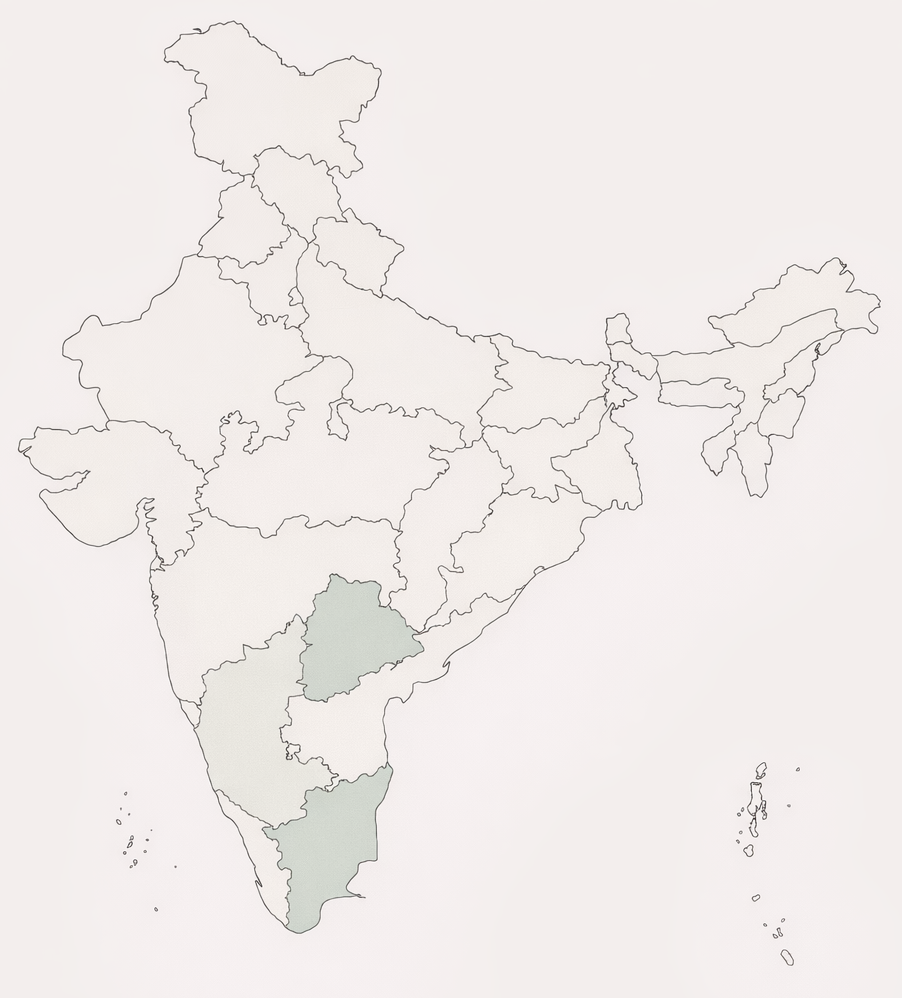
The Sabitha Foundation is currently operational in Tamil Nadu and Telangana, with program activity centered in Chennai and Hyderabad. These regions serve as the foundation’s initial hubs for structured screening initiatives, preventive education programs, and patient-support frameworks.

Our geographic focus is intentional. Both states represent diverse urban and semi-urban populations where early detection gaps, awareness disparities, and care navigation challenges remain significant. By building strong regional models first, the Foundation aims to create scalable frameworks that can be responsibly expanded.

Through partnerships with healthcare institutions, community organizations, and public health stakeholders, we are working to strengthen referral pathways, improve preparedness, and build sustainable support systems at the state level.

As infrastructure, partnerships, and program capacity grow, the Foundation intends to extend its work through structured regional collaboration and national engagement — with the long-term goal of contributing to early detection accessibility across India.

India Map